

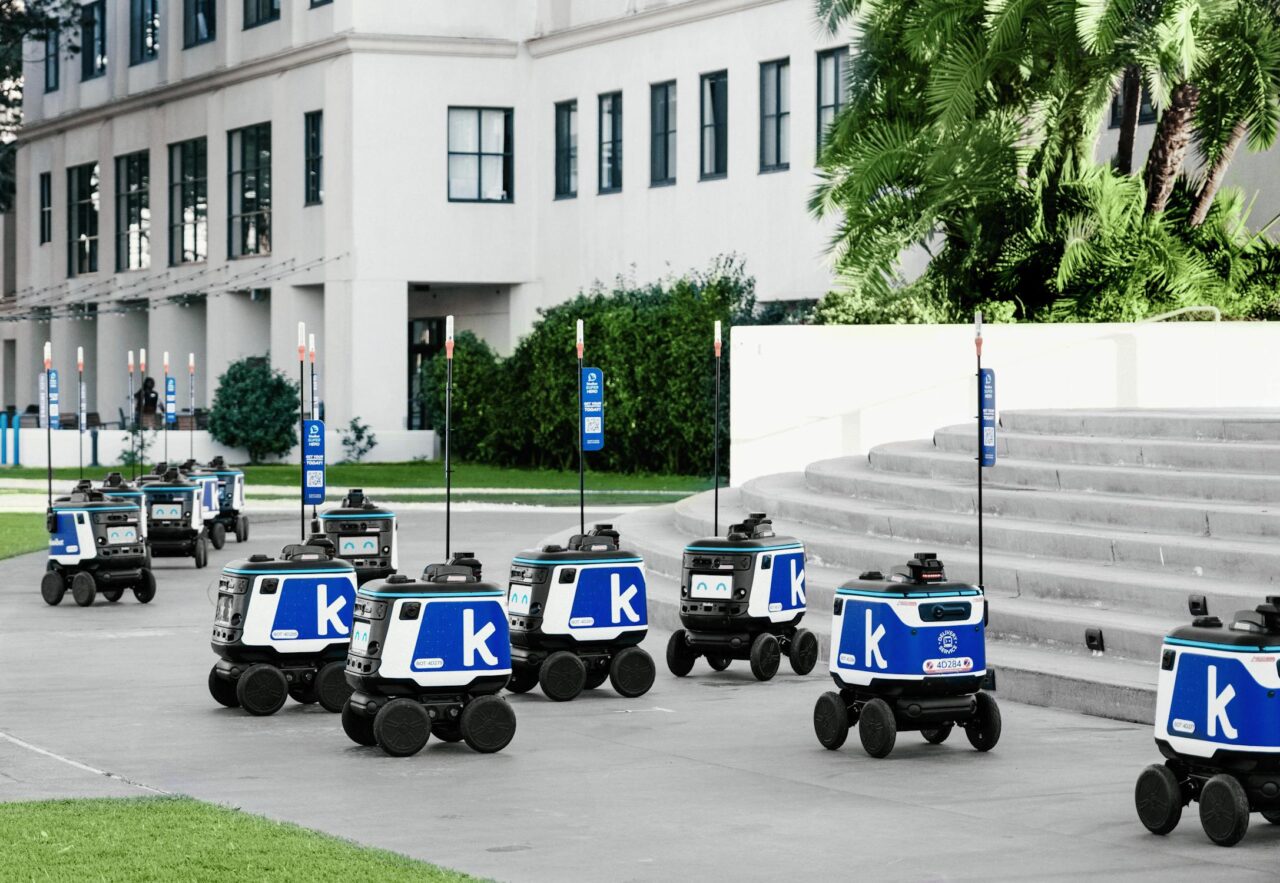
Autonomous vehicles (AVs) represent one of the most transformative advancements in transportation, fundamentally altering how we travel and interact with our environments. At the heart of this revolution is artificial intelligence (AI), which plays a crucial role in enabling vehicles to navigate safely and efficiently without human intervention.
AI algorithms process vast amounts of data from a vehicle’s sensors, including cameras, LIDAR, and radar. These technologies allow AVs to perceive their surroundings, detecting obstacles, traffic signals, and pedestrians in real time. By employing machine learning, these systems can continuously improve their performance through experience, enhancing their ability to make split-second decisions in complex driving scenarios.
One of the significant benefits of AI in autonomous vehicles is safety. Human error is a leading cause of accidents, and by minimizing the need for human input, AVs can potentially reduce collisions. AI systems are designed to react faster than human drivers, responding to unforeseen circumstances with precision. This promise of increased safety is a driving force behind the adoption of AV technology.
Moreover, AI enables efficient route planning and traffic management.This interconnectivity not only enhances individual travel experiences but also contributes to a more sustainable transportation ecosystem by minimizing fuel consumption and emissions.
Despite these advancements, challenges remain. Regulatory frameworks, ethical considerations, and public acceptance are critical factors that must be addressed as the technology matures. Ensuring cybersecurity is also paramount to protect AVs from malicious attacks.
As AI continues to evolve, its role in shaping the future of transportation will expand. The development of autonomous vehicles promises not only to redefine mobility but also to create a safer, more efficient, and environmentally friendly transportation landscape for generations to come.